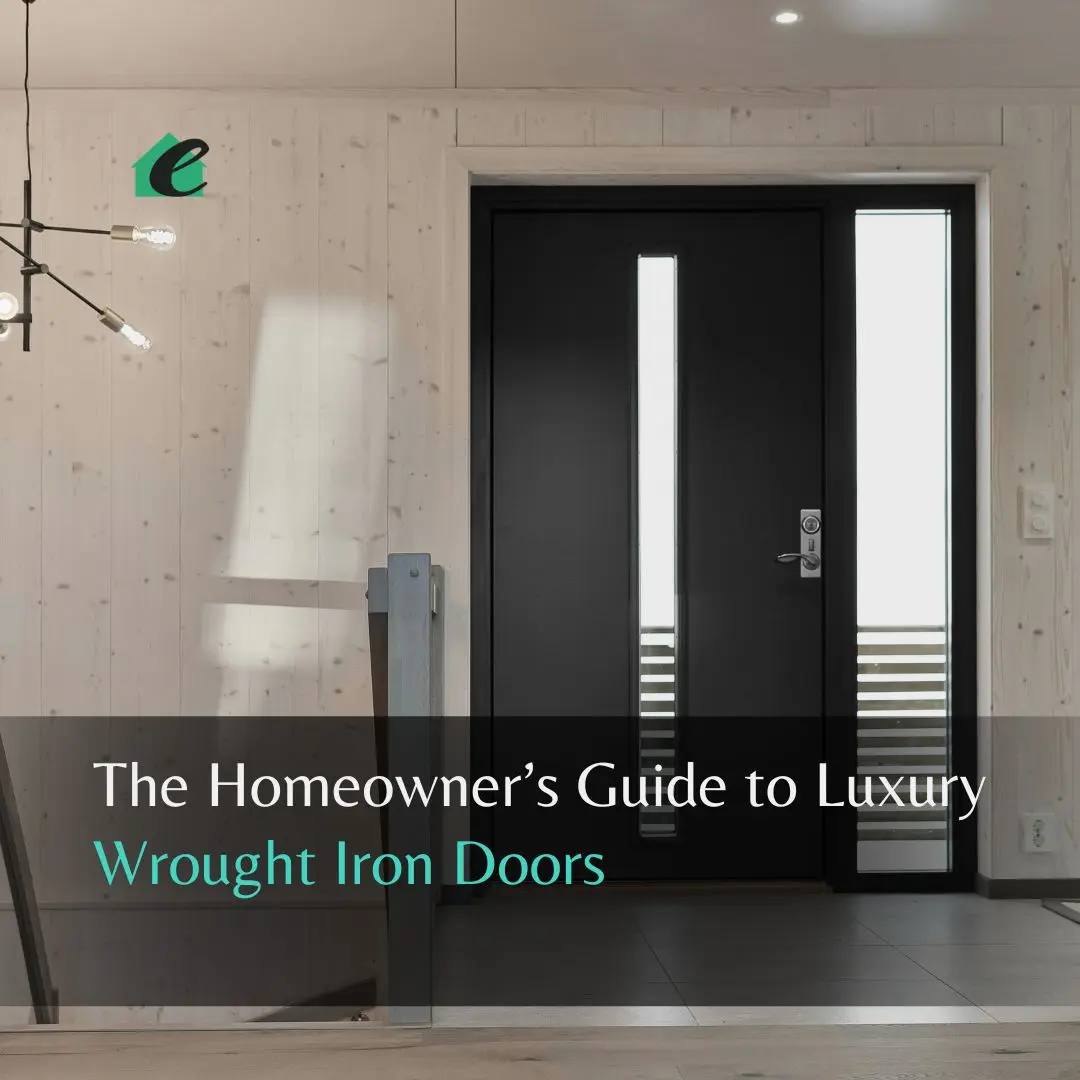

When it comes to boosting your home’s curb appeal, making a powerful first impression starts right at the entrance. Traditional wooden doors are prone to warping, cracking, and weathering under environmental stress, while standard fiberglass often lacks the imposing, high-end weight of luxury architecture. Transitioning to a modern, custom-engineered wrought iron door transforms your facade into an architectural statement.
Beyond sheer visual dominance, premium iron doors address critical performance demands: total home security, storm resilience, and year-round energy efficiency. This guide covers the essential technical features, layout styles, and practical buying considerations to help you select a high-performance entry system for your property.
Are custom iron doors energy efficient?
Yes. High-performance iron doors use thermal breaks and insulated glass to reduce heat transfer and improve energy efficiency. High-quality iron doors utilize a non-conductive polyurethane foam core injected into the door frame and panels, alongside double-pane insulated glass. This prevents the metal from conducting external heat or cold into your living space, reducing the workload on your HVAC system.
Do wrought iron doors rust over time?
Raw steel and iron will oxidize if left unprotected. However, premium architectural iron doors undergo a multi-stage anti-corrosion finishing process. This includes hot-dip galvanizing (coating the steel in zinc), an epoxy primer coat, and multi-layer powder-coated finish system designed for corrosion resistance.
Can iron entry doors be customized for arched openings?
Yes. Wrought iron is highly malleable during fabrication, making it ideal for custom geometric shapes. Manufacturers can precision-forge entry systems to fit exact structural openings, including full-radius round arches, soft eyebrow arches, and expansive double-door entryways.
How secure are iron front doors compared to wood or vinyl?
Iron doors offer unmatched structural security. Constructed from heavy-gauge steel construction (commonly 12–14 gauge in architectural systems) and reinforced with solid hand-forged scrollwork, engineered for high-security resistance against forced entry attempts. When paired with multi-point locksets or dual-deadbolt systems, they create a fortified physical barrier.
Is the glass on iron doors difficult to clean?
No. Premium iron entry doors feature independent, operable glass panels that open inward on built-in hinges. This allows you to clean both sides of the window pane easily from inside the home and provides a secure way to ventilate your entryway without opening the main iron door.
Selecting a luxury entry door requires looking past the surface design to evaluate the underlying technical specifications. To ensure your investment delivers lifetime durability, prioritize these five manufacturing standards:
Wrought iron entry systems are incredibly versatile, adapting easily to both historic estates and clean, contemporary builds. Choosing the right design pattern is essential to complement your home’s existing roofline and cladding:
Traditional & Tuscan Scrollwork
Characterized by intricate, hand-forged iron bars twisted into organic vine patterns, historical crests, or classic French scrolls. These doors pair perfectly with Mediterranean, Spanish Colonial, or classic European architecture, adding old-world charm and a sense of historic permanence.
Modern & Minimalist Linear Designs
Characterized by crisp geometric lines, clean horizontal or vertical steel grids, and massive square glass expanses. Utilizing slim, low-profile steel profiles, these minimalist styles are optimized for modern, industrial, or transitional home layouts where maximizing clean light transmission is the primary objective.
Because an architectural iron entryway is a structural component weighing hundreds of pounds, correct installation is non-negotiable. Substandard integration can cause the door to bind, drag, or leak air and water. Real-world contractor workflows focus on these critical adjustments:
Eris Home Products combines modern architectural design with structural steel engineering to create entry systems that prioritize security, energy efficiency, and long-term durability. From minimalist narrow-profile doors to custom arched entries, Eris iron door systems are designed to provide a perfect balance of luxury aesthetics, insulation performance, and structural strength for today’s residential construction projects. By choosing our precision-engineered steel systems, homeowners secure a low-maintenance, architecturally striking primary entrance designed to protect and elevate the property for decades to come.
Your front door is the focal point of your home’s security and architectural identity. Don’t compromise on thermal efficiency or structural strength to get the luxury aesthetic you want.
Explore our Premium Iron Door Collection today and follow @ErisHomeProducts on Instagram to view real-world structural installations.

Get expert advice for your project.
Contact us today!